Function over Flash
Every time I hear about another “modernization project” in my school district, I can’t help but feel more frustrated. The San Dieguito Union High School District (SDUHSD) passed a $449 million dollar bond in 2012 for campus upgrades. That looks like progress at a glance, but when you look closer, the priorities seem upside down.
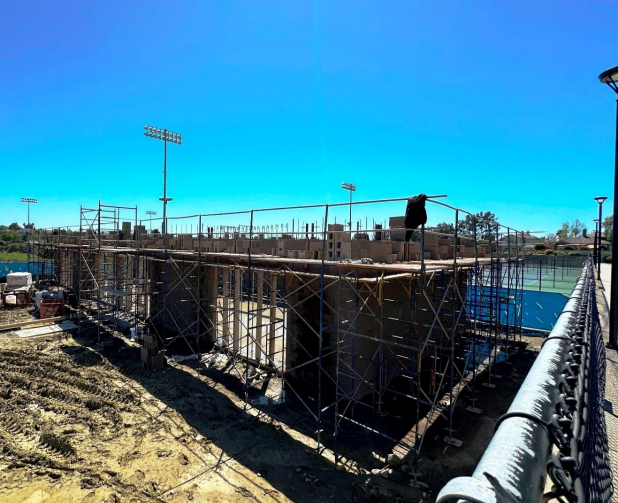
For example, Diegueno Middle School got $14.7 million dollars in funding for HVAC improvements, building modernization, and a new building. Earl Warren Middle School spent $52.6 million dollars rebuilding their whole campus. Oak Crest Middle School improved their landscaping, remodeled their campus buildings, and improved their courtyard for the price of $23.2 million dollars.
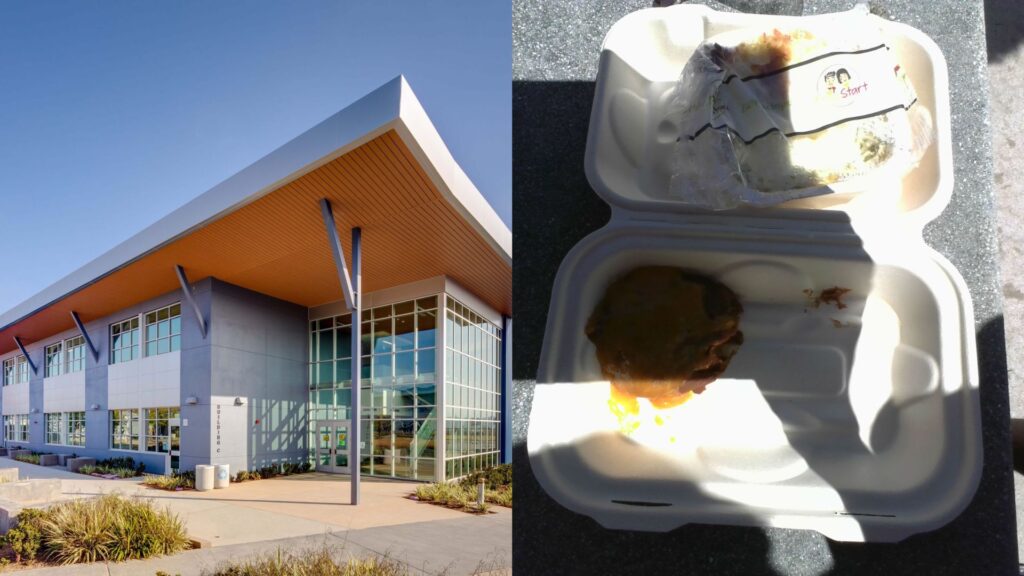
Meanwhile, most students can’t even take a bus to school. SDUHSD only provides buses to special education students. That means for everyone else, there’s no school provided transportation, meaning many students walk next to 50 mph arterials with tiny sidewalks and bike in spaces that were not meant for them. The lunches? Bland, plastic-wrapped, and shipped in a semi truck. Field trips? Almost nonexistent. The learning experience? Often overshadowed by glass, LED lighting, and digital screens.
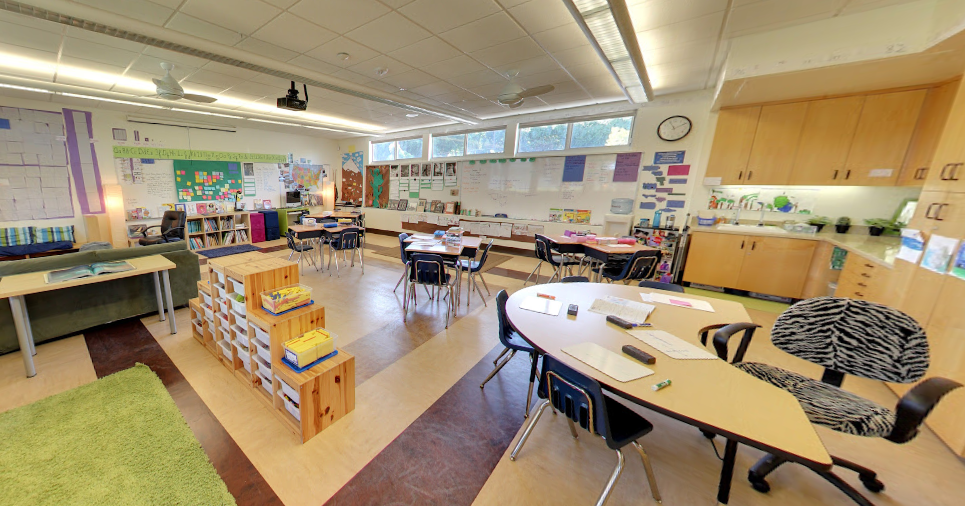
My current middle school was built in 2015. It looks nice in the pictures, with its shiny concrete floors, well-maintained landscaping, ergonomic chairs, and high ceilings. But some of the tiny trees are already dying, the cafeteria pizza comes wrapped in plastic, and the classrooms don’t feel different from any other school.
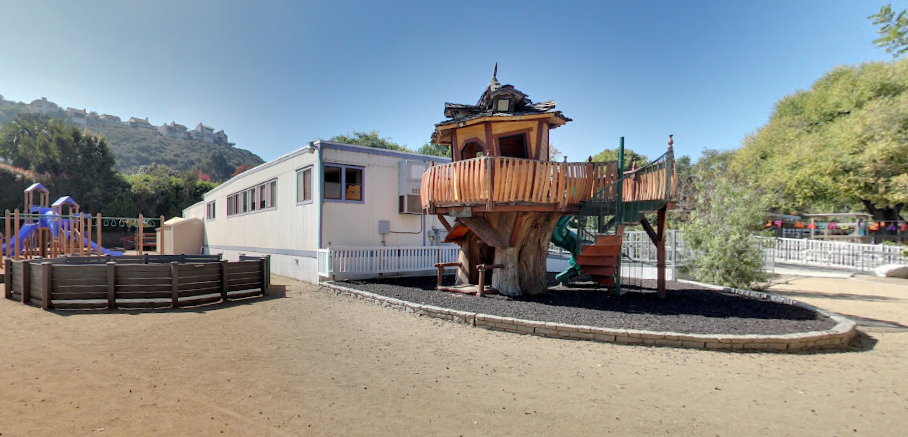
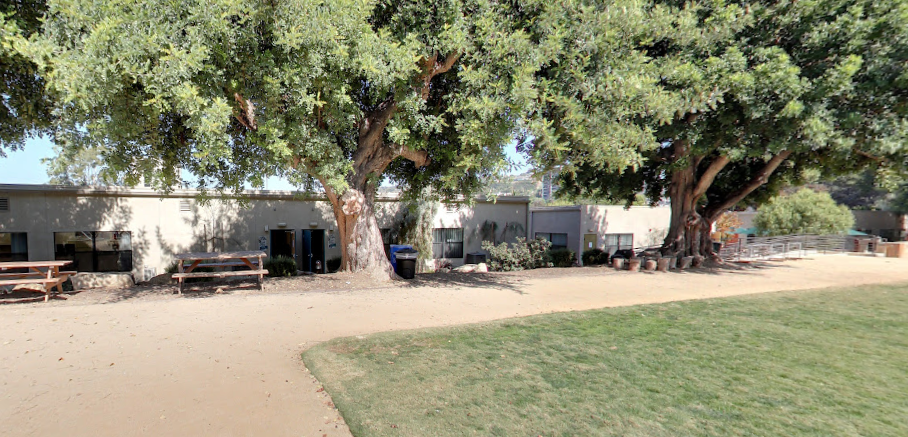
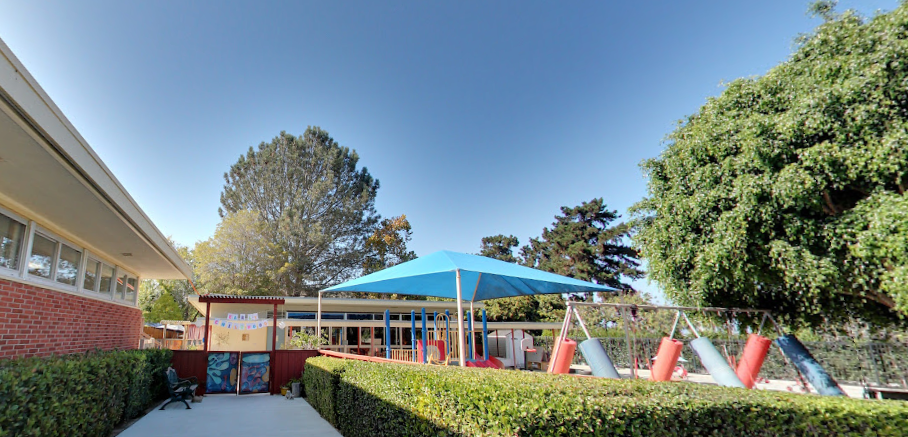
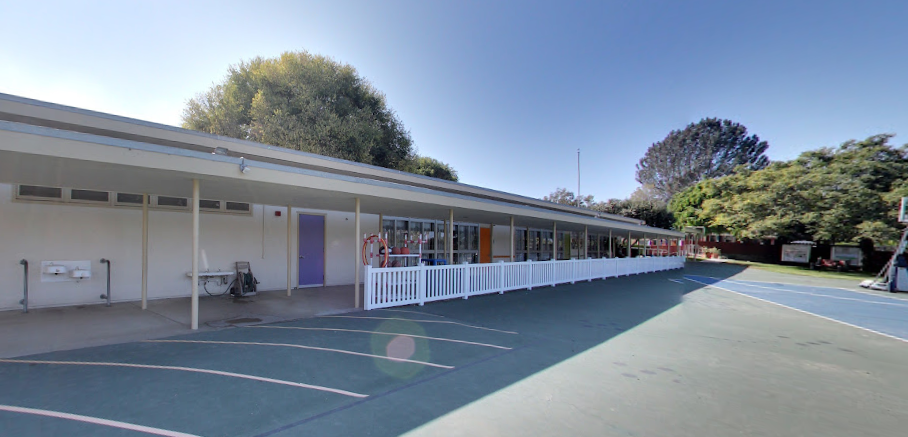
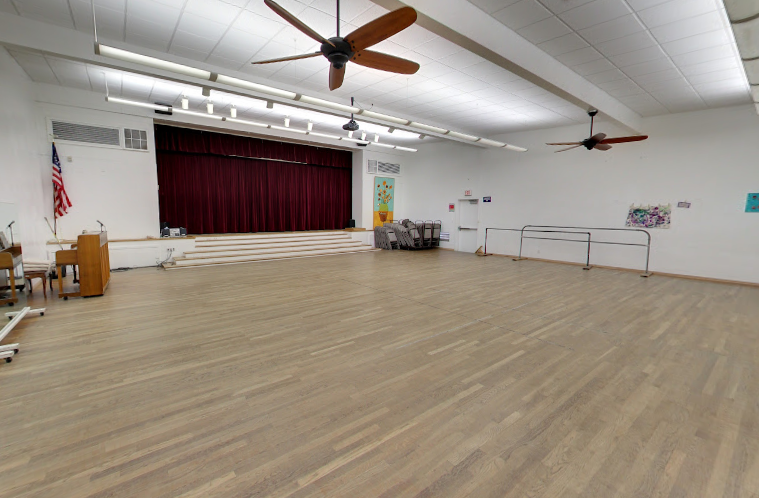
Compare that to the private elementary school that I went to, The Children’s School, or TCS. It wasn’t shiny or modern. Most of the classes were in old 1960s buildings—think single story buildings with huge overhangs, or portables with rotting siding and strange-smelling carpet, heated by gas-powered Reznor shop heaters. One time, my art teacher left it on through recess, and we came back to an oven. The fire alarms said things like “Break Glass for Local Alarm,” and the light switches let out a vintage CLACK when you flipped them. The playgrounds were wild and full of personality, with a witch’s treehouse, a wooden castle, and even a hill where we would ride Tonka trucks. We played in overgrown berry bushes along the chain-link fence, guarding our forts like it was our job. In 1st grade, our class performed “I Love Rock and Roll” in the auditorium—the audience was packed wall to wall with no AC, just ceiling fans trying their best. The tech teacher Jon controlled the lights from a bank of yellowing 1960s switches with a cardboard cutout he made to flip all the switches at once. The bathrooms had blue tile and 60s-era Crane urinals, the cafeteria was a concrete pad with mismatched portable tables, and the lunch line stretched all the way to the middle tier every Wednesday for mac and cheese. The field was never mowed, yet it somehow kept itself short. But none of that mattered. We learned. We built memories. We felt like a community. The school had heart, soul, a rich history, and that old-school charm—something that no brand-new campus can buy.
I’m not saying schools shouldn’t be maintained. ADA access, safety, and functional classrooms matter. But it seems like SDUHSD is spending hundreds of millions to impress adults and parents, while the things that actually shape student life—transportation, curriculum, hands-on learning, decent lunches—get ignored.
A school doesn’t have to look like Qualcomm to be a good place to learn. Old buildings can be fixed. Stick in a window AC unit, patch the roof, and move on. You can’t have a nice box without something good to fill it.
Let the walls get scuffed. Let the sinks spray weird. Just make sure students are getting to school, eating real food, and actually learning something while they’re there. I went to a private school that looked like a public school, and now I go to a public school that still looks like a public school. But looks aren’t the problem. A school isn’t good because it’s modern, it’s good because it actually works. And too often, we’re paying for what shows up in a brochure, not what shows up in a student’s life.