MTS Rural Service — A Questionable Quartet

When people think of rural transit in San Diego County, they often imagine remote routes connecting small towns — a lifeline for communities without cars. But the reality is stranger: MTS operates just four rural bus routes that stretch far beyond the urban grid… and barely serve anyone.
These four routes — the 888, 891, 892, and 894, wind through the backcountry with low frequency, minimal ridership, and high operating costs — using dilapidated minibuses from the 2000s. They’re obscure, infrequent, and barely known even by transit nerds — yet they exist: the four MTS rural bus routes operating deep in San Diego’s backcountry. These aren’t scenic rail shuttles or essential connectors to major cities. They’re quiet, costly outliers.
Let’s take a look at each.
Route 888: The Ghost Border Bus — (Jacumba ↔ El Cajon)
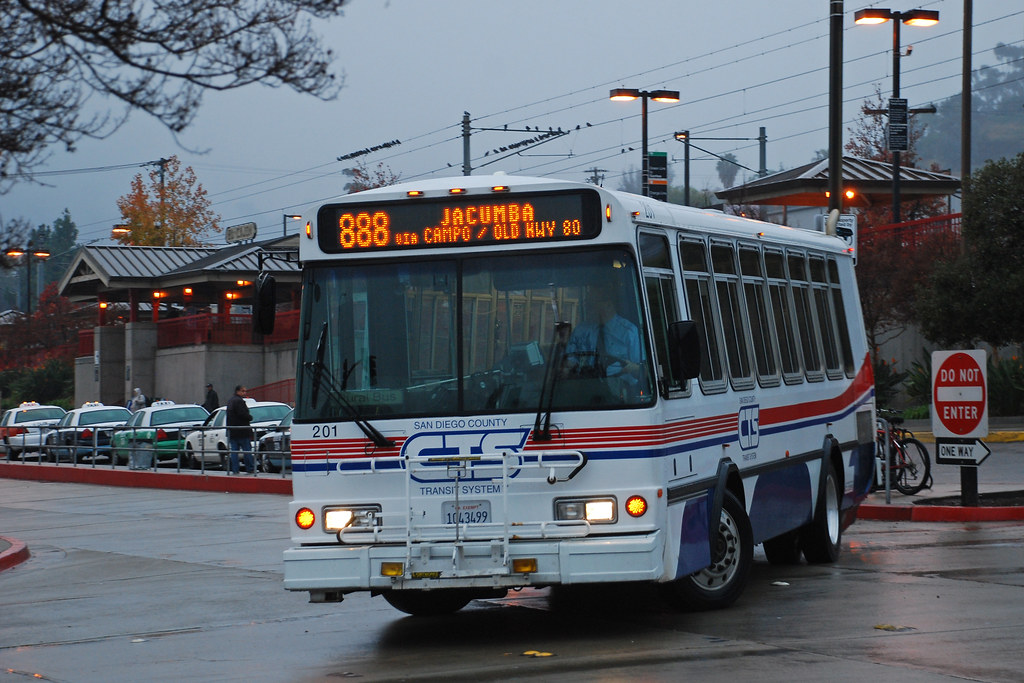
This one is crazy. It goes all the way from El Cajon Transit Center to Jacumba Hot Springs, taking almost three hours to do so… but only runs two days a week, yes — two days per week.
Why does it exist? No one’s quite sure. Maybe it’s a lifeline for residents without cars to reach basic services. But with a schedule this sparse, it’s hard to rely on. It feels more like a vestigial route from a past era — or a bureaucratic promise someone forgot to cancel.
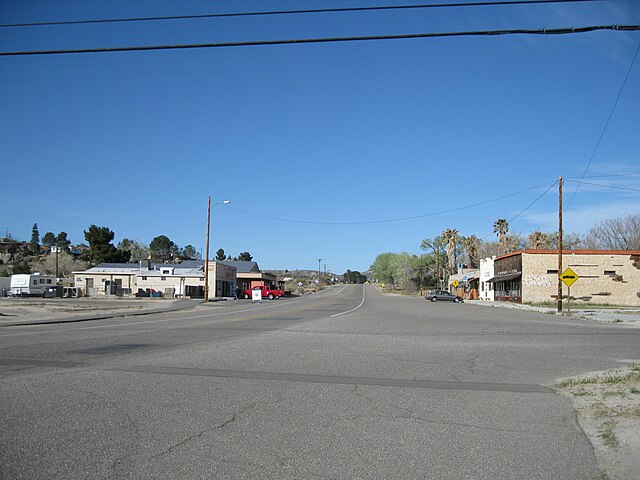
Route 888 rumbles out twice a week — one trip on Mondays and Fridays, tracing a path eastward down I-8, then meanders through winding country roads so remote there’s not even farms on them, just trees and wilderness. The bus eventually pulls into Cameron Corners, a rural crossroads with not much more than a dead strip mall, a cash-only taco shop, 2 gas stations, and a Dollar General.
After Cameron Corners, the bus slowly rattles east along CA-94, passing a whole lot of nothing — not even farmland, just chapparal and trees. Then comes Live Oak Springs, a blink-and-you’ll-miss-it mountain village: a gas station, a restaurant, a few homes tucked among the trees. It’s hard to imagine anyone getting on or off here — and maybe no one does. Still, the bus shows up… twice a week.
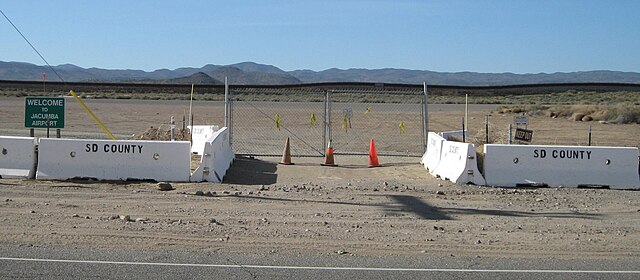
The journey ends in Jacumba Hot Springs, population 561. It’s a quirky desert outpost best known for its mineral baths, proximity to the border fence, and general feeling of forgotten-ness. This is the final stop: the end of a surreal, 3-hour, once-in-a-while transit odyssey.
- Ridership: 7 avg. per weekday (734 annual)
- Cost per passenger: $208.32
- Subsidy per passenger: $200.21
- Farebox recovery rate: 3.9%
Routes 891/892: The Borrego Bunch — (Borrego Springs ↔ El Cajon)
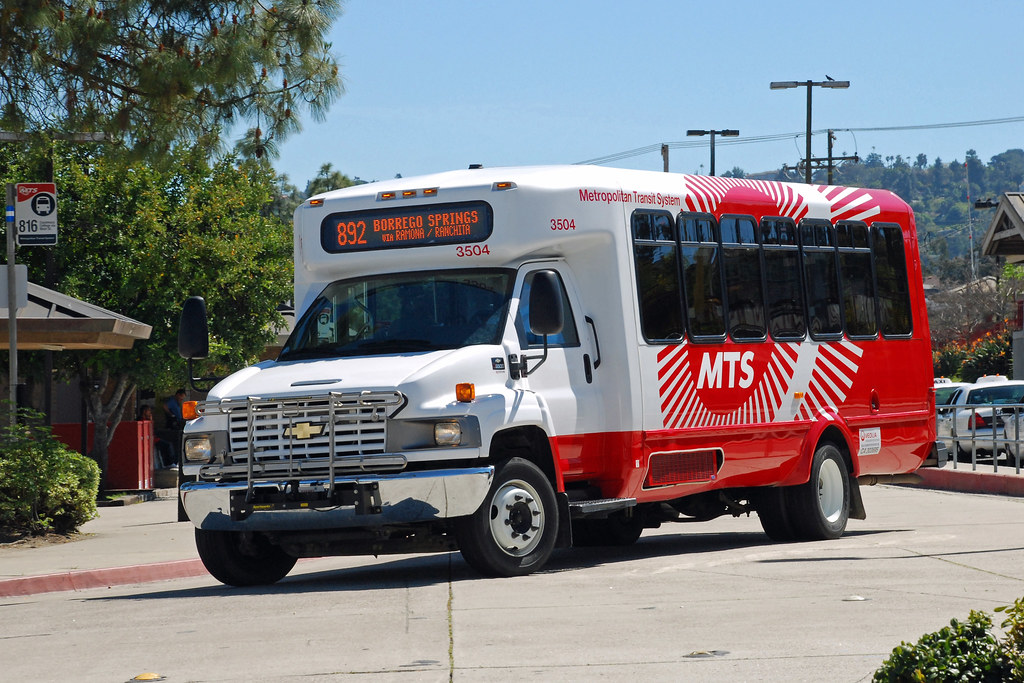
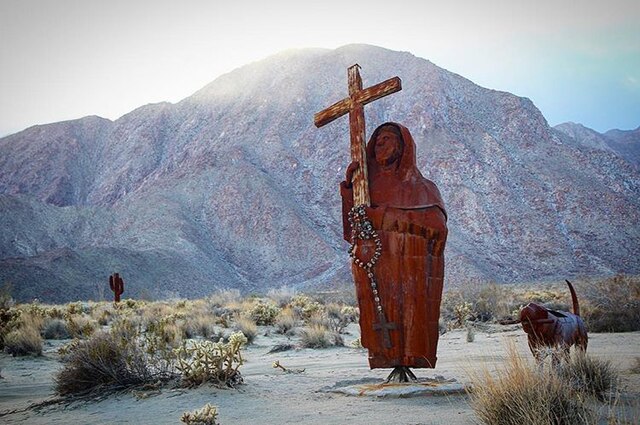
If Route 891 feels like a holdover from another era, 891 and 892 might be time travelers too — wandering through the mountains and desert with a kind of eerie persistence. These routes connect Ramona, Julian, Ranchita, and finally, Borrego Springs — one of the most remote, quietest places in San Diego County. It’s not just rural. It’s isolated.
Route 891 runs once a week, Fridays only, tracing a slow path through Ramona and Julian, then down the treacherous twists and slopes of Banner Grade. From there, it drops dramatically into the wide open desert on a road so straight that it would give a geometry teacher a run for their money. The bus climbs another mountain pass, then rolls into Borrego Springs — an unincorporated community surrounded on all sides by the Anza-Borrego State Park, and about as far from “transit-friendly” as you can get.
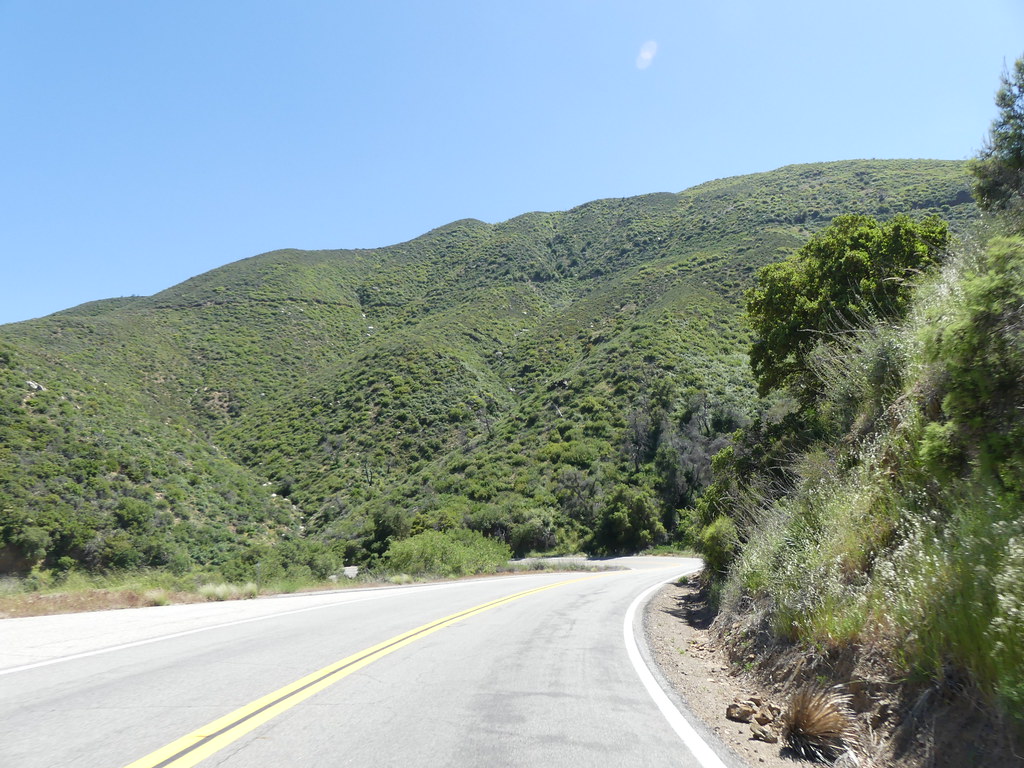
Route 892 takes the back way through San Felipe and Ranchita, before passing through a place called Hellhole Palms. Yes, you heard me right — Hellhole Palms. It’s not a nickname. That’s the actual name on the map. And honestly? It fits. There’s no town there, just a hot, dusty hiking trail that leads to — you guessed it — palm trees. After that section, Route 892 navigates the treacherous slopes of Montezuma Valley Road before finally arriving in Borrego Springs.
Route 891:
- Ridership: 6 avg. per weekday (299 annual)
- Cost per passenger: $285.09
- Subsidy per passenger: $276.05
- Farebox recovery rate: 3.2%
Route 892:
- Ridership: 5 avg. per weekday (235 annual)
- Cost per passenger: $349.46
- Subsidy per passenger: $340.51
- Farebox recovery rate: 2.6%
Route 894: Rural But Reliable (somewhat)
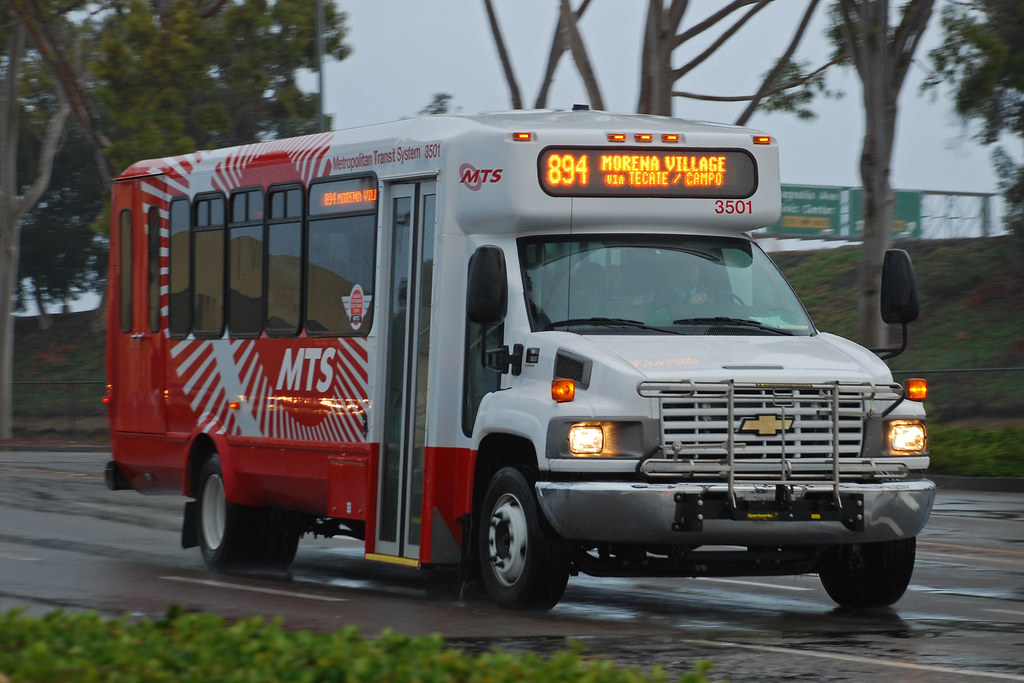
Unlike the once-a-week desert ghost buses of Borrego and Jacumba, Route 894 is practically a commuter line — at least by rural San Diego standards. It runs three trips every day, connecting El Cajon Transit Center to the tiny towns of Campo and Boulevard, way out there near the U.S.–Mexico border. That doesn’t mean it’s fast. Or busy. But it’s consistent.
The route heads southeast from El Cajon along CA-94, climbing into the backcountry past Jamul, Dulzura, Barrett Junction, Tecate, and Potrero. These are small settlements, some with diners, some with gas stations, others just a name on the map.
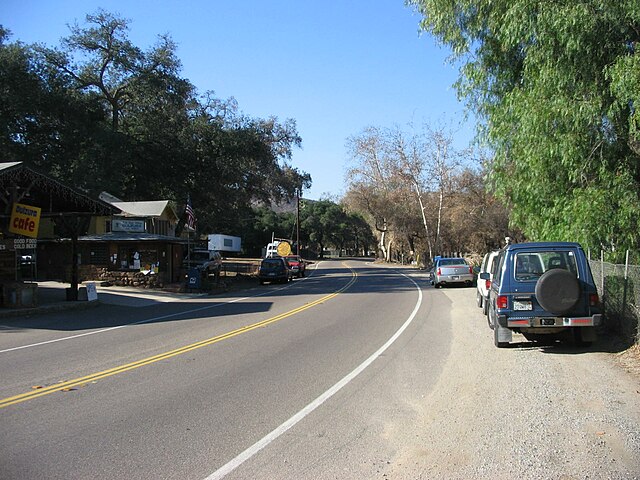
The bus presses on to its final destination of Campo, California, a sleepy outpost town where Border Patrol officers outnumber civillians.
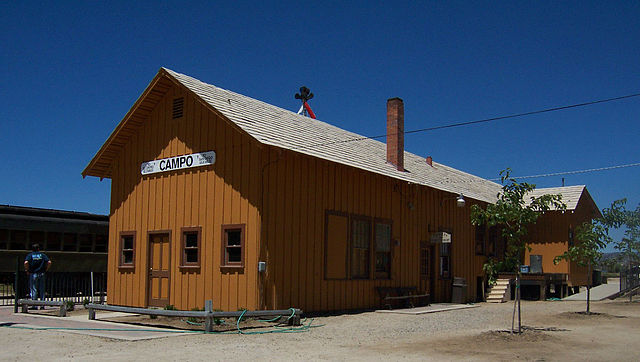
Then… it loops back. Three times a day.
For the few that live in Boulevard or Campo without vehicles that have to get groceries, visit a doctor, or just visit civilization, Route 894 is the only option. It might not be glamorous, but it exists — and for rural transit, that’s saying something.
- Ridership: 146 avg. per weekday (36,862 annual)
- Cost per passenger: $24.95
- Subsidy per passenger: $20.86
- Farebox recovery rate: 16.4%
Conclusion: The Routes Everyone Forgot — But Still Run
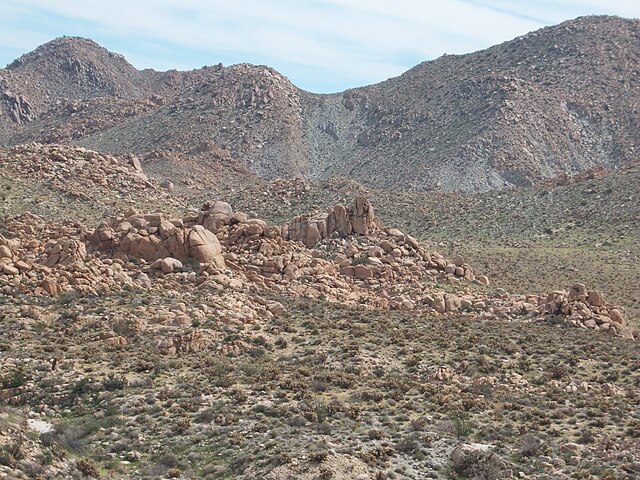
MTS rural routes — 888, 894, 891, and 892 — feel like something between a public service and a forgotten promise. They crawl across bygone highways, stop in towns that barely exist, and serve riders you might never see. Some only run once a week — one three times a day — but they all share a strange persistence — like they’re too stubborn to die. Yet, in a region where not having a car might leave you stranded for days on end — these four routes provide a vital lifeline for the few that use them. They might not carry crowds, but they carry stories — of isolation, geography, and resilience. Whether they’re lifelines, leftovers, or both, they’re some of the most fascinating routes in the entire system.